

What is AI’s impact on how people train for fitness?
Fitness in 2026 is no longer just about effort—it’s about optimisation.
With the rise of artificial intelligence (AI), wearable technology, and smart fitness devices, training has become more personalised, data-driven, and efficient than ever before. Whether you’re a beginner or experienced athlete, leveraging technology can significantly improve your results while reducing wasted time and effort.
At Momentum Lab, where the focus is on building sustainable and effective fitness habits, these tools play a crucial role in helping individuals train smarter—not just harder.
1. Smart Wearables: The Foundation of Modern Fitness Tracking
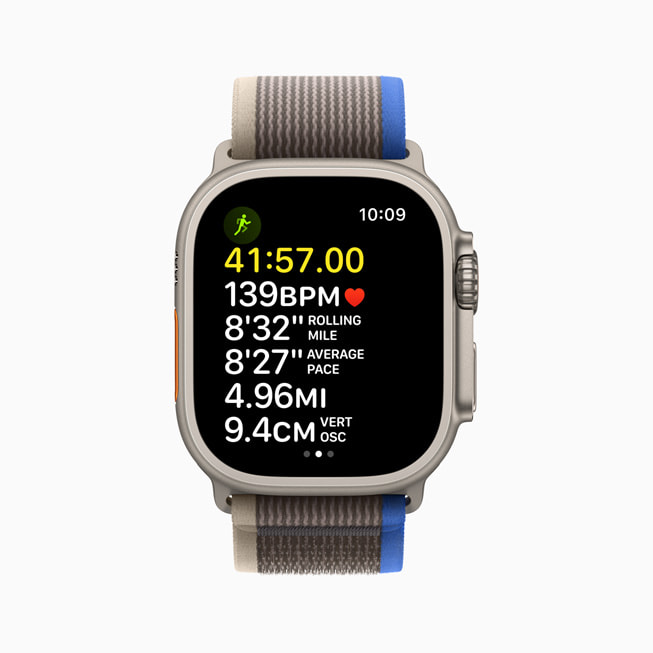
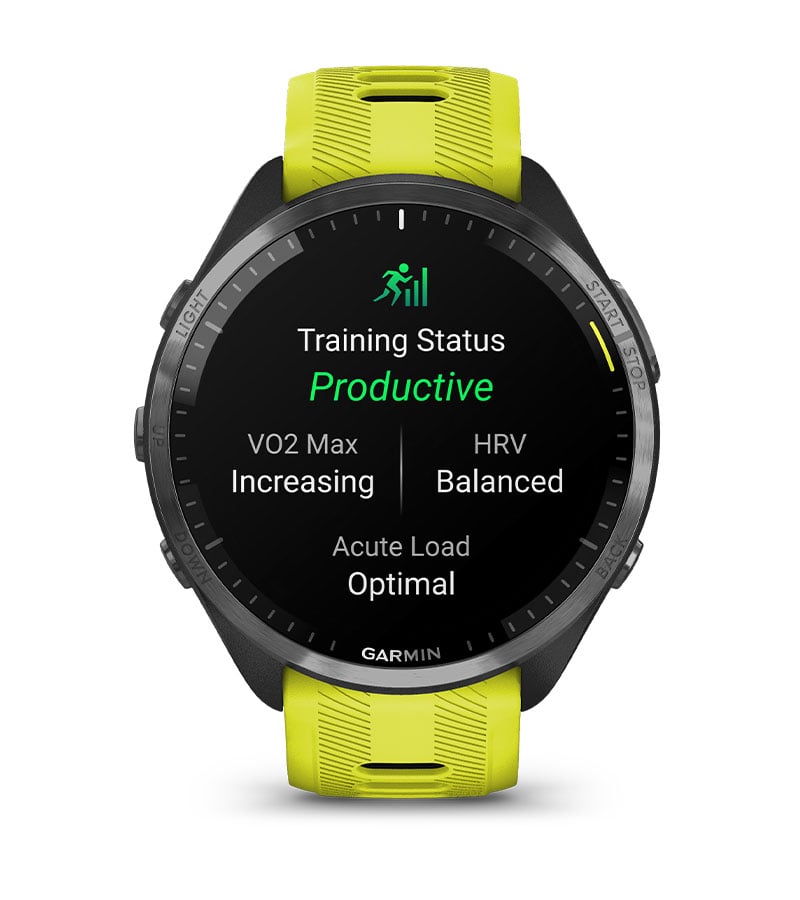
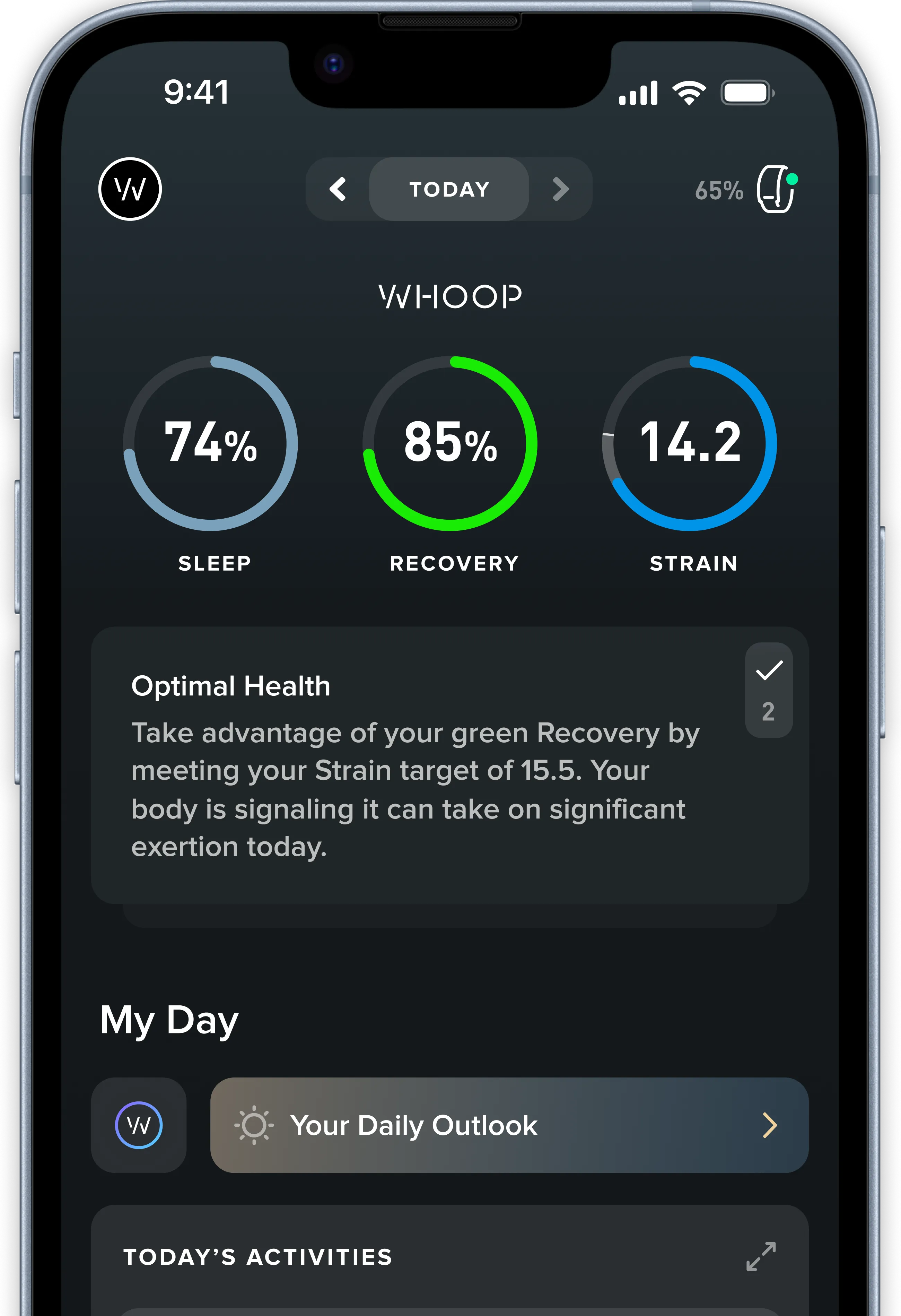

Wearable devices are the backbone of modern fitness. They provide real-time data that allows you to make better decisions about training, recovery, and overall health.
Popular Devices:
- Apple Watch Ultra
- Garmin Forerunner 965
- Whoop 4.0
Key Metrics Tracked:
- Heart rate and zones
- Calories burned
- Sleep quality
- HRV (Heart Rate Variability)
- Recovery levels
Pros:
✔ Real-time data for smarter decisions
✔ Helps prevent overtraining
✔ Integrates with multiple fitness apps
Cons:
✘ Can be expensive
✘ Data overload for beginners
✘ Requires consistent wearing for accuracy
💡 Insight: Devices like Whoop focus heavily on recovery, while Garmin is stronger for endurance athletes. Choosing the right one depends on your goals.
2. AI-Powered Workout Systems

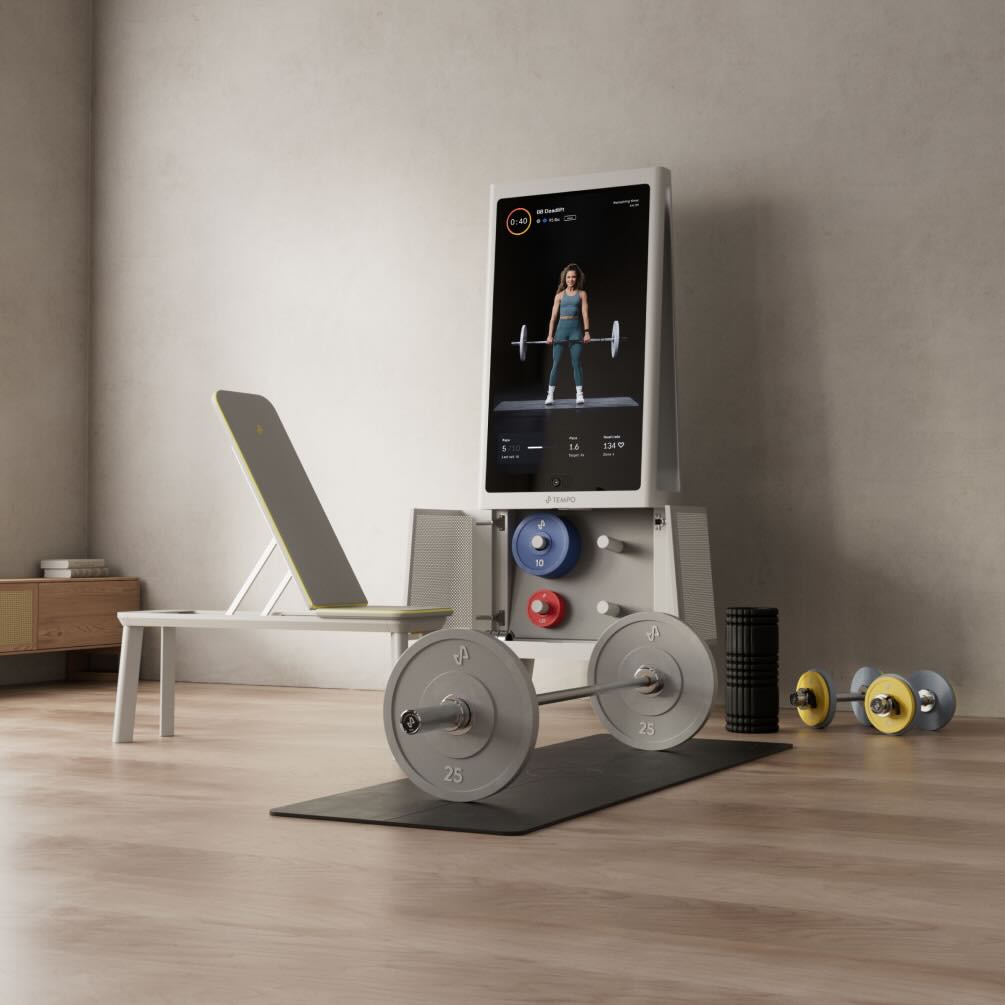


AI is revolutionising how workouts are structured. Instead of static programs, training plans now adapt in real time.
Popular Platforms & Devices:
- Tonal Smart Gym
- Tempo Studio
- Freeletics
What They Do:
- Adjust weights and reps automatically
- Analyse form and technique
- Recommend next workouts based on fatigue
- Track long-term progress
Pros:
✔ Personalised training without a coach
✔ Efficient progression tracking
✔ Suitable for home workouts
Cons:
✘ High upfront cost (Tonal/Tempo)
✘ Requires commitment to ecosystem
✘ Limited flexibility vs traditional gyms
💡 Insight: AI workout systems are ideal for busy professionals who want structured, efficient sessions without hiring a trainer.
3. Smart Recovery & Sleep Technology
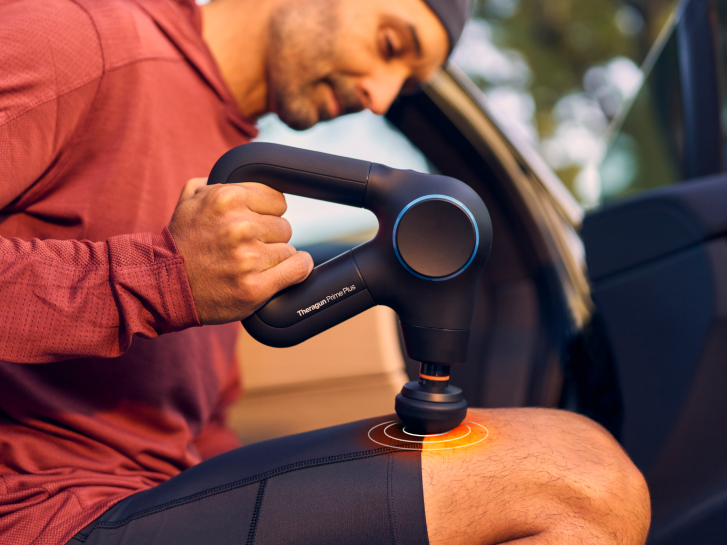


Recovery is where real progress happens—and technology now helps optimise it.
Top Devices:
- Oura Ring
- Theragun Elite
- Hyperice Normatec 3
What They Improve:
- Sleep quality
- Muscle recovery
- Blood circulation
- Fatigue monitoring
Pros:
✔ Faster recovery between workouts
✔ Reduces injury risk
✔ Improves sleep consistency
Cons:
✘ Premium pricing
✘ Requires daily habit consistency
✘ Some benefits are gradual, not instant
💡 Insight: Poor recovery is one of the biggest reasons people plateau—these tools directly address that problem.
4. Smart Home Fitness Equipment

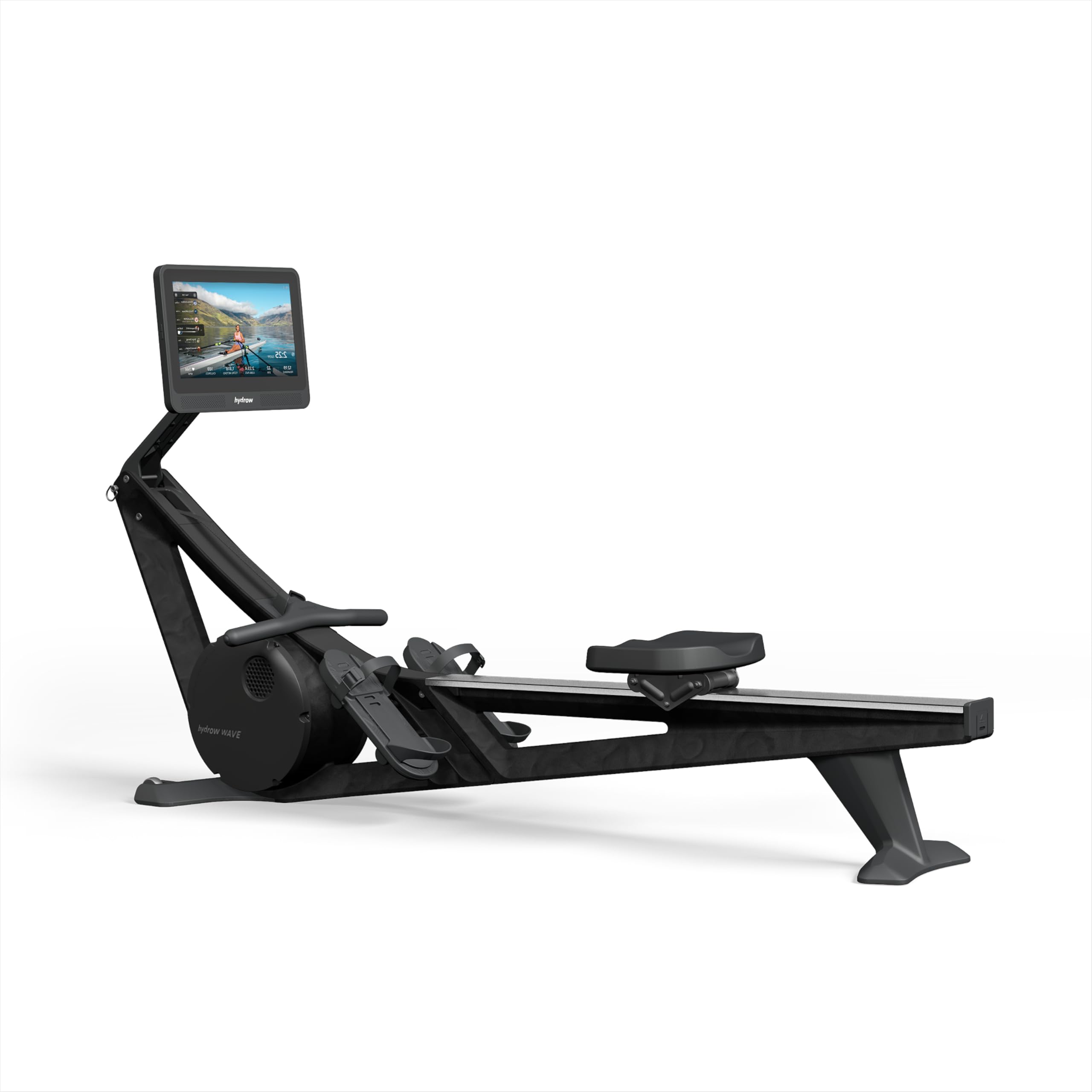

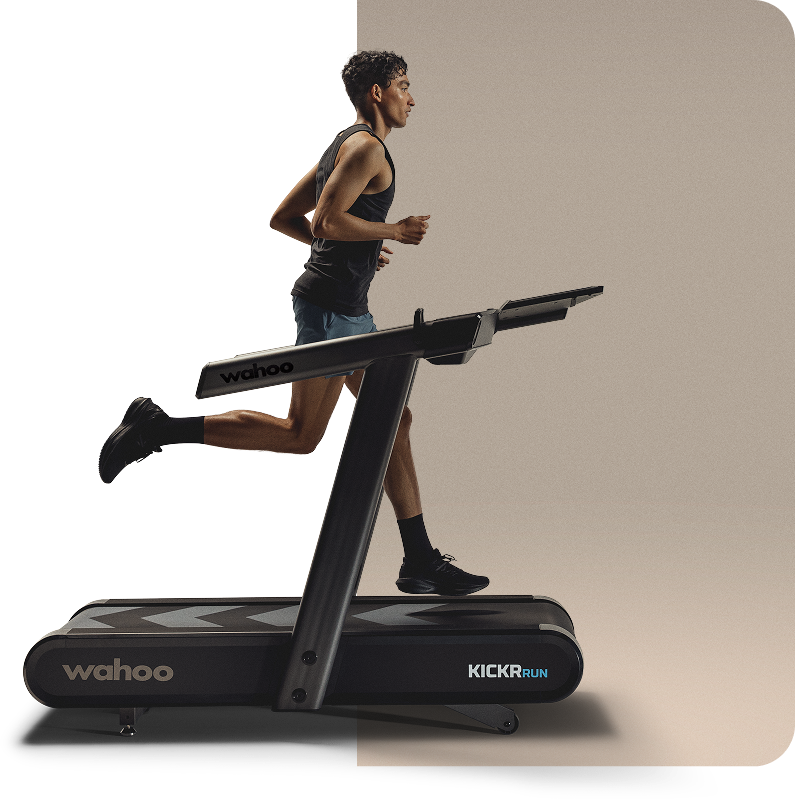
Home fitness has evolved significantly with connected devices.
Popular Equipment:
- Peloton Bike
- Hydrow Rower
- NordicTrack Smart Treadmill
Features:
- Live and on-demand classes
- Performance tracking dashboards
- Leaderboards and community features
- Interactive coaching
Pros:
✔ Convenience (no commuting to gym)
✔ Engaging workouts
✔ Strong community motivation
Cons:
✘ Subscription costs
✘ Requires home space
✘ Less flexibility vs full gym
💡 Insight: These devices are excellent for consistency—but discipline still matters more than equipment.
5. AI Fitness Apps & Coaching Platforms


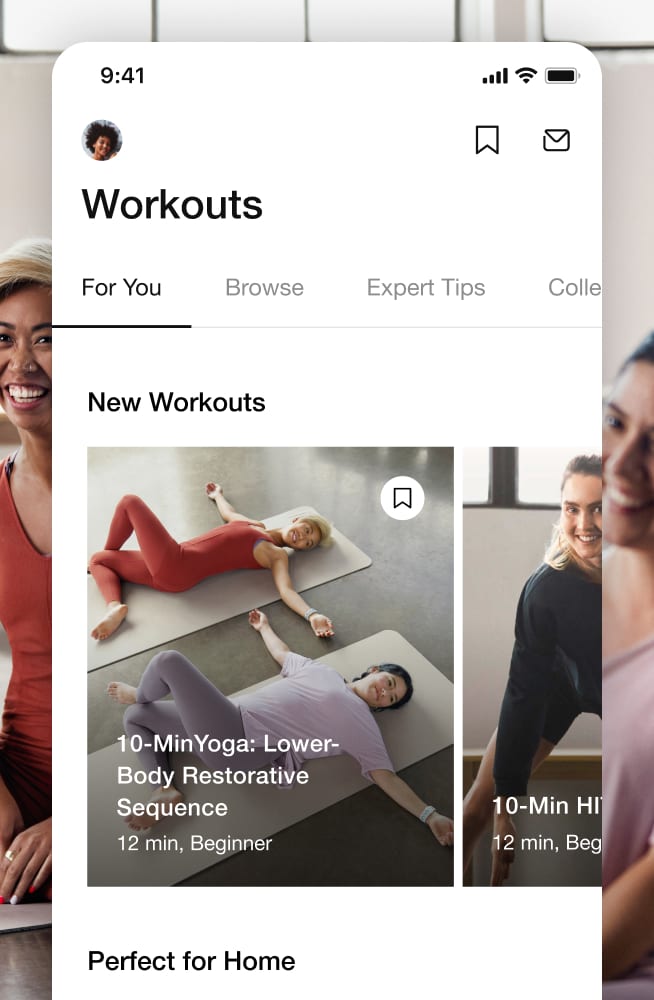
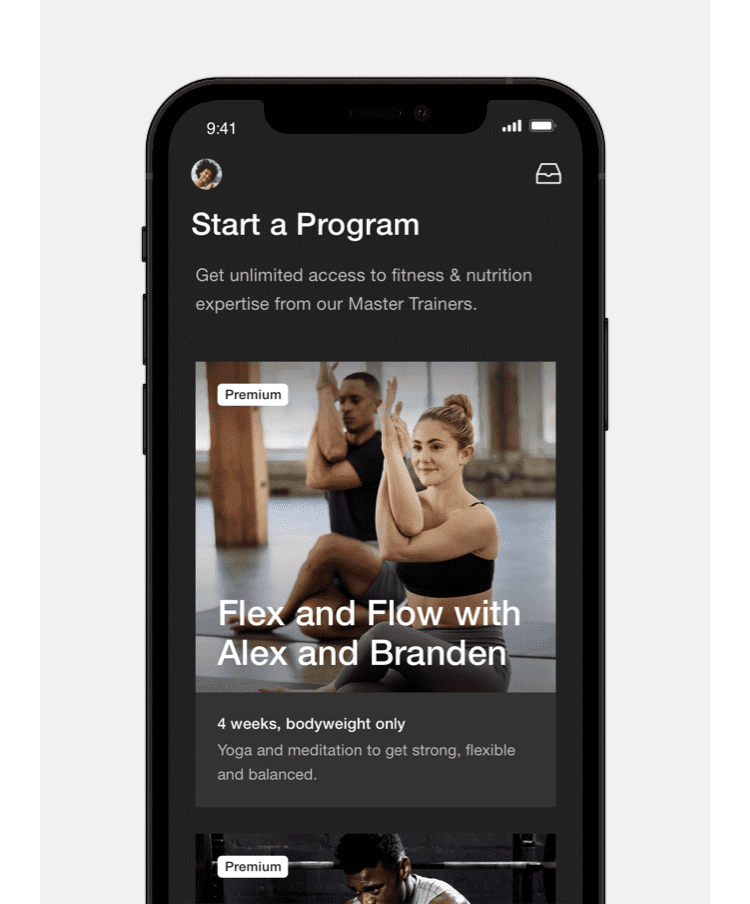
Not everyone needs expensive hardware—AI fitness apps provide a low-cost entry into smart training.
Popular Apps:
- MyFitnessPal
- Fitbod
- Nike Training Club
What They Offer:
- Workout plans
- Nutrition tracking
- Progress analytics
- AI-based recommendations
Pros:
✔ Affordable (many free options)
✔ Easy to start
✔ Flexible for all fitness levels
Cons:
✘ Less precise than hardware devices
✘ Requires self-discipline
✘ Limited real-time feedback
💡 Insight: Apps are best combined with wearables for maximum accuracy.
How to Build a Smart Fitness System (Simple Strategy)
Instead of buying everything at once, build your system step-by-step:
Phase 1 (Beginner):
- Fitness app (Fitbod / Nike Training Club)
- Basic wearable
Phase 2 (Intermediate):
- Add recovery tracking (Oura / Whoop)
- Upgrade to structured training
Phase 3 (Advanced):
- AI gym system or smart equipment
- Full automation of tracking + recovery
This approach keeps costs manageable while maximising results.
Final Thoughts
Fitness in 2026 is no longer just about discipline—it’s about leveraging the right tools.
With the combination of:
- Smart wearables
- AI-powered training
- Recovery technology
- Connected equipment
You can train more efficiently, reduce injuries, and achieve better long-term results.
The future of fitness belongs to those who combine effort with intelligence.